6/4/2025
 Author: Designed by Freepik
Table Of Contents
Alcohol is a widely consumed substance that can have diverse effects on the body, including the nervous system. In the context of facial nerve regeneration—such as nerves damaged due to Bell's palsy or other trauma—an important question arises: how does alcohol affect this process?
In this article, we explore available scientific data on the impact of alcohol on nerve regeneration, with particular emphasis on facial nerves, drawing from studies on peripheral nerves and alcohol’s general effects on the nervous system. Please note, this article does not constitute medical advice. Individuals with facial nerve damage should consult a medical professional.
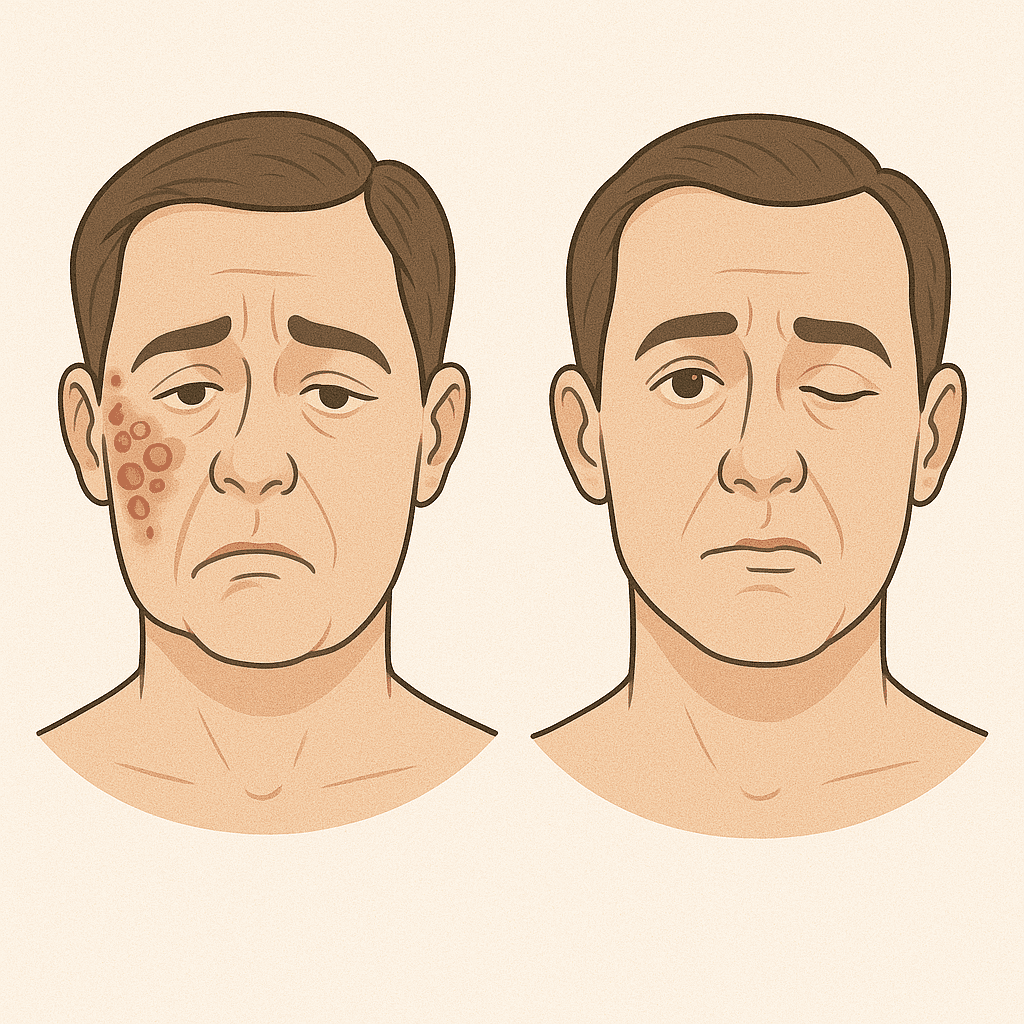
Facial nerves, also known as the seventh cranial nerve, control facial muscles that enable expressions, blinking, smiling, and speaking. Damage to these nerves—caused by Bell’s palsy, trauma, inflammation, or tumors—can lead to facial asymmetry, difficulty closing the eye, or a drooping mouth corner.
Facial nerve regeneration is a complex process in which damaged nerves attempt to reestablish connections with facial muscles. This involves the growth of new axons (nerve fibers) that must reach the appropriate muscles to restore function. The process can take weeks or months and depends on factors such as age, overall health, and the nature of the damage. In animal models like rats, facial nerve regeneration is measured through observed movements, such as whisker motion or eye closure.
Nerve regeneration may be supported through physical therapy, medications (e.g., corticosteroids), or bioengineering methods like stem cell therapy. However, comorbidities (e.g., diabetes) and lifestyle factors—such as alcohol consumption—can negatively impact this process.
Alcohol is neurotoxic, meaning it can damage nerve cells. Chronic alcohol abuse leads to alcoholic neuropathy—peripheral nerve damage that manifests as tingling, pain, muscle weakness, and loss of sensation, especially in the limbs. Alcoholic neuropathy affects 25% to 66% of individuals with chronic alcohol use.
Mechanisms through which alcohol harms nerves include:
You'll be the first to know and one of our earliest testers.
Practical guide for patients with facial nerve paralysis
Alcoholic neuropathy is one of the most common consequences of excessive alcohol consumption. A 2019 meta-analysis published in the National Library of Medicine reported that alcoholic neuropathy occurs in 46.3% of chronic alcoholics. Symptoms include:
While there is a lack of direct research on how alcohol affects facial nerve regeneration, studies on peripheral nerves offer valuable insight. A rat study found that chronic alcohol exposure significantly impaired nerve regeneration after injury. Rats exposed to alcohol showed fewer axons and increased axonal degeneration compared to the control group. These results suggest that alcohol can hinder regeneration processes in the peripheral nervous system, which includes facial nerves.
“Our findings show that chronic alcohol dependence negatively affects peripheral nerve regeneration, with a significant reduction in axon numbers and increased axonal degeneration.” (Source: Impairment of peripheral nerve healing)
Alcohol inhibits neurogenesis—the process of creating new neurons—by reducing the proliferation and survival of neural stem cells. Studies on animal models have shown that high blood alcohol levels can destroy neuroprogenitor cells, especially in young individuals. This further hampers nerve regeneration, including facial nerves.
There is evidence that stopping alcohol use can support nerve regeneration. Research shows that following a period of abstinence after heavy drinking, neural stem cell proliferation increases within a day and continues for several weeks. For example, after 14 days of abstinence following a 4-day binge, a significant increase in hippocampal neurogenesis was observed—indicating a regenerative potential following alcohol cessation.
“Abstinence after alcohol binge episodes leads to increased neural stem cell proliferation within one day, lasting for days and weeks.” (Source: Alcohol-related neurodegeneration)
Since facial nerves are part of the peripheral nervous system, it is reasonable to assume that alcohol similarly impairs their regeneration. However, due to the lack of specific studies on facial nerves, these conclusions are based on generalizations. Alcohol abstinence could potentially support facial nerve regeneration, similar to its effects on other peripheral nerves.
For individuals with facial nerve damage, such as Bell’s palsy, it is crucial to consider lifestyle factors that may influence recovery. Due to its neurotoxic effects, alcohol can hinder this process—especially with chronic abuse. On the other hand, abstaining from alcohol may support regeneration by enhancing neurogenesis and overall nerve health.
It is essential for individuals with facial nerve damage to consult a physician or rehabilitation specialist for personalized advice regarding diet, lifestyle, and alcohol intake limitations. Each case is unique, and factors such as the extent of nerve damage, age, and general health influence the healing process.
In addition to avoiding alcohol, other factors that may promote facial nerve recovery include:
The NeuroFace app supports individuals undergoing facial rehabilitation by offering:
We support you on the journey to better facial expression and greater comfort in daily life.
Although there is no direct research on how alcohol affects facial nerve regeneration, available data indicates that chronic alcohol use may hinder the recovery of peripheral nerves—including facial nerves—due to its neurotoxic effects and suppression of neurogenesis.Conversely, abstaining from alcohol may support nerve healing by increasing neural stem cell proliferation.
Individuals with facial nerve damage should consider reducing or eliminating alcohol as part of a recovery strategy, but it is essential to seek medical guidance for individualized recommendations.
This article is based on scientific data and does not constitute medical advice. If you have questions about your health or facial nerve regeneration, consult a doctor or rehabilitation specialist.